Test kits in stock
Posted from New Zealand stock — same-day dispatch before 11am.
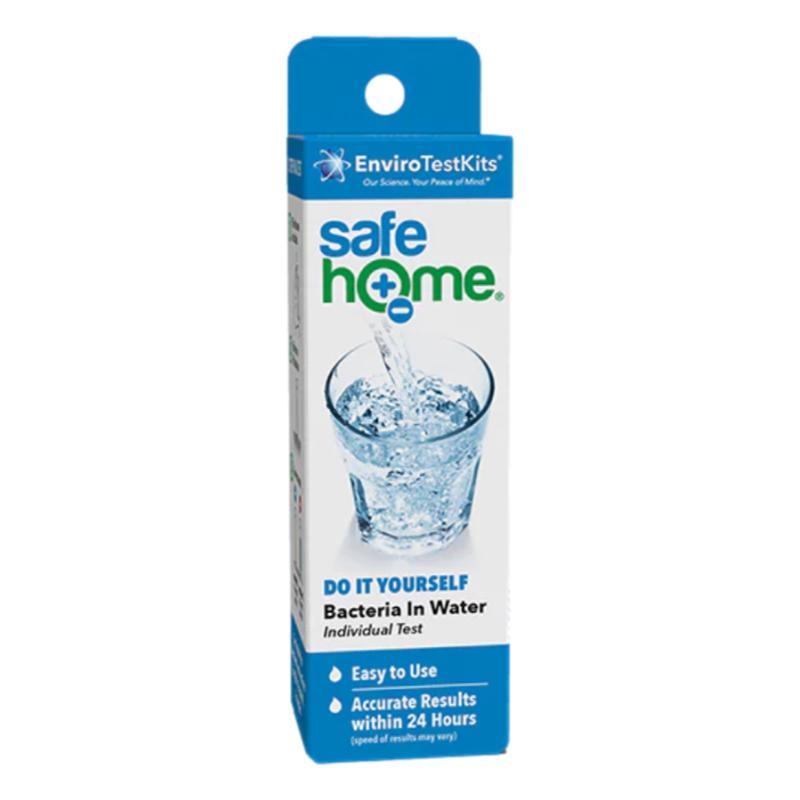
Safe Home® Bacteria in Drinking Water Test Kit
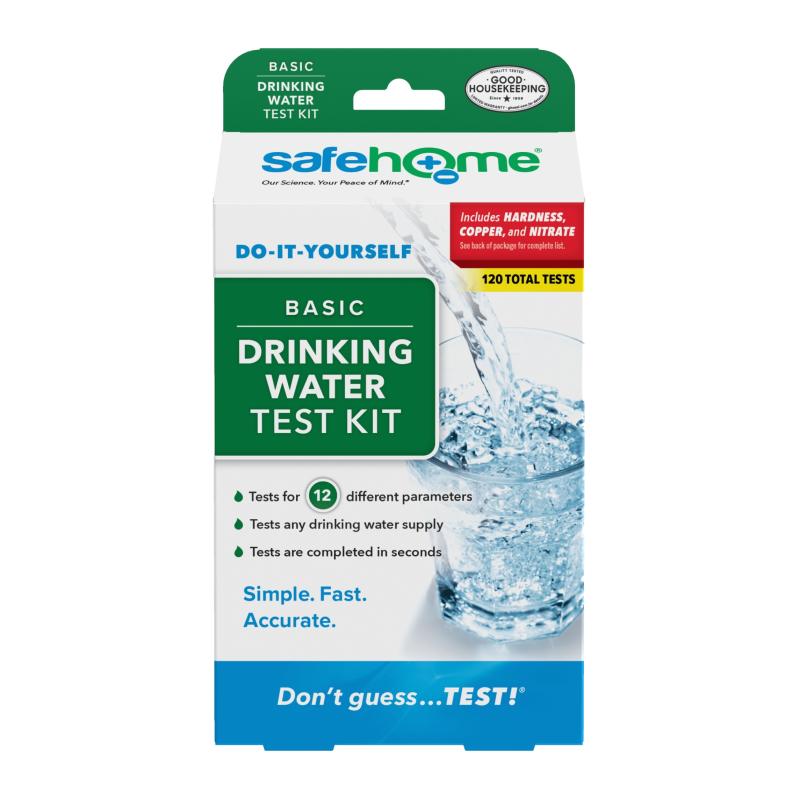
Safe Home® Basic Water Test Kit (12 different Contaminants)
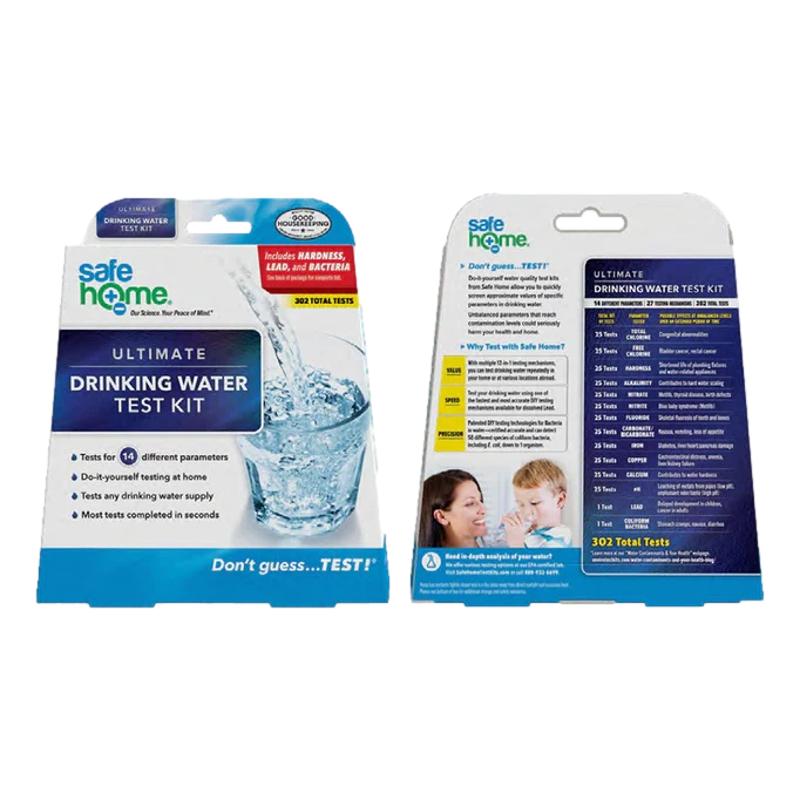
Safe Home® Ultimate Water Test Kit (14 different Contaminants)
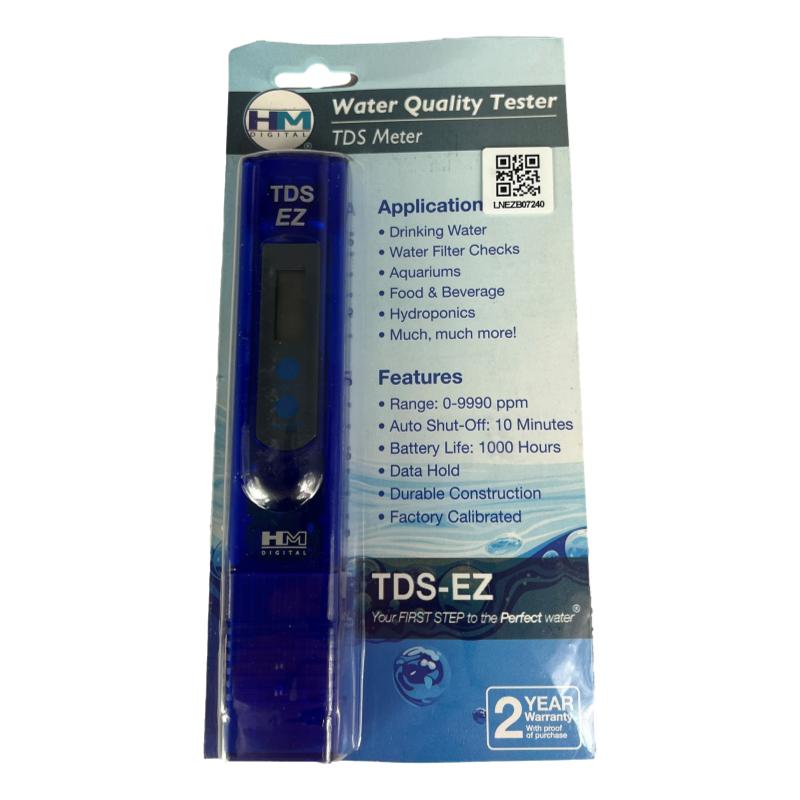
Handheld Meter to test water TDS
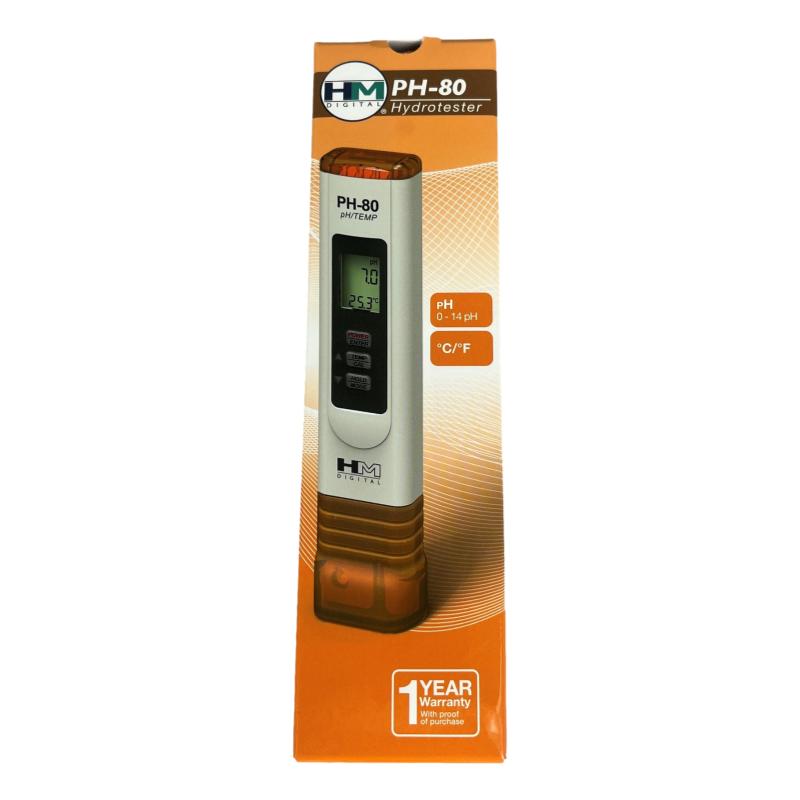
Handheld Meter to test water pH
Send us your results — we'll read them for you
This is the part most retailers leave you to figure out alone.
Send us your test results Or call 0800 289 347
What's worth testing for, by supply
| If you're on… | Test for |
|---|---|
| Town / mains supply | Usually nothing — it's already tested by your council. Test only if you suspect your own plumbing (older homes: lead and copper). |
| Rainwater tank | Bacteria and E. coli as the priority. Then pH and turbidity if the water looks or tastes off. |
| Bore or well | The full panel. Nitrate especially if you're in a farming catchment, plus bacteria, hardness, iron and manganese. |
| Stream or spring | Bacteria and protozoa. Clarity tells you nothing about what's living in it. |
Reading the common results
Act on this one. It means your supply is not safe to drink untreated. UV sterilisation is the standard fix and treats the whole house. See bacteria removal →
This is New Zealand's drinking-water limit. Above it, do not use the water to make infant formula. Reverse osmosis is the proven removal method. See nitrate removal →
Not a health issue at all, but it will scale up your kettle, cylinder and any coffee equipment. Worth treating for the sake of your appliances. See scale control →
Acidic water slowly corrodes copper pipework and can pick up metals on the way to your tap. Common on roof-collected supplies. An alkaliser or remineraliser cartridge corrects it.
A broad indicator rather than a specific problem — it tells you something is dissolved in there, not what. Worth following up with a fuller test before buying anything.